RV marketing refers to the strategies, tools, and campaigns used to promote recreational vehicles to potential buyers, renters, and enthusiasts. As the recreational vehicle industry becomes increasingly competitive and digitally driven, effective marketing has become essential for dealerships, rental companies, and manufacturers. RVs represent a significant investment for consumers, so marketing efforts must focus on trust, lifestyle appeal, and clear value communication rather than simple product promotion.
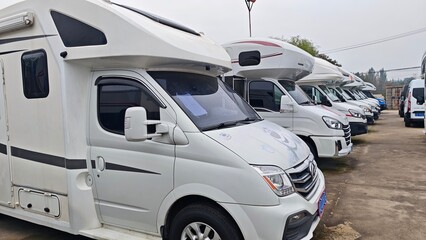
At its core, RV marketing is about selling a lifestyle rather than just a vehicle. Buyers are not only purchasing transportation; they are investing in travel freedom, outdoor experiences, and long-term mobility. Successful marketing strategies highlight these emotional and practical benefits while also providing detailed information about features, specifications, and usability. This combination of emotional appeal and technical clarity is what drives conversion in the RV market.
In recent years, digital transformation has reshaped how RV marketing is executed. Traditional methods such as print advertising and physical showrooms still play a role, but most customer journeys now begin online. Potential buyers research models, compare features, watch walkthrough videos, and read reviews before making contact with a seller. This shift has made online visibility and digital engagement essential components of any RV marketing strategy.
One of the most important aspects of RV marketing is audience targeting. The RV market includes a diverse range of customers, each with different needs, budgets, and travel goals. Understanding these segments allows marketers to create more relevant and effective messaging.
Common RV marketing audience segments include:
- First-Time Buyers
These customers are new to RV ownership and require educational content that explains features, maintenance, and usage basics. - Retirees and Long-Term Travelers
This group often seeks comfort, reliability, and long-term travel solutions, focusing on spacious and well-equipped RV models. - Adventure and Outdoor Enthusiasts
These buyers prioritize durability, off-road capability, and compact designs suitable for camping and exploration. - Rental Customers
Individuals or families renting RVs for short-term trips focus on affordability, ease of use, and convenience. - Luxury Buyers
This segment looks for high-end features, premium interiors, and advanced technology for comfort and convenience.
Digital marketing plays a central role in modern RV promotion. Search engine optimization, social media marketing, content creation, and paid advertising all contribute to attracting and converting potential buyers. A strong online presence ensures that RV businesses appear in search results when customers are actively researching options, which significantly increases lead generation opportunities.
Website optimization is a key component of RV marketing success. A well-designed website should include detailed product listings, high-quality images, virtual tours, and clear calls to action. Mobile optimization is also critical, as many users browse RV options on smartphones or tablets. Fast loading speeds, intuitive navigation, and informative content all contribute to a positive user experience that encourages inquiries and conversions.
There are several essential digital marketing strategies used in RV marketing campaigns:
- Search Engine Optimization (SEO)
SEO helps RV businesses rank higher in search results for relevant keywords, increasing organic traffic and visibility. - Content Marketing
Content such as blogs, buying guides, and travel tips helps educate customers and build trust over time. - Social Media Marketing
Platforms that support visual content are particularly effective for showcasing RV interiors, travel experiences, and lifestyle appeal. - Email Marketing
Email campaigns help nurture leads by providing updates on new models, promotions, and financing options. - Paid Advertising
Targeted ads allow RV businesses to reach specific audiences based on interests, demographics, and browsing behavior.
Visual marketing is especially important in the RV industry because customers want to see detailed representations of vehicles before making a decision. High-quality photography, video walkthroughs, and 360-degree virtual tours are powerful tools that help potential buyers understand layout, space, and features. These visuals reduce uncertainty and increase buyer confidence, particularly for high-value purchases.
Storytelling is another powerful element of RV marketing. Instead of focusing solely on technical specifications, successful campaigns often highlight real-life experiences such as road trips, family adventures, and outdoor exploration. This storytelling approach helps customers imagine how an RV fits into their lifestyle, making the product more relatable and desirable.
Lead generation is a critical goal in RV marketing. Since RV purchases are often considered carefully over time, marketers focus on capturing contact information and nurturing leads through ongoing communication. This process often involves offering downloadable guides, financing calculators, or consultation requests in exchange for customer details.
Effective lead generation strategies include:
- Online inquiry forms on product pages
- Free downloadable RV buying guides
- Virtual consultation booking systems
- Interactive RV comparison tools
- Special offers and promotional incentives
Customer trust plays a major role in RV purchasing decisions. Because RVs are a significant investment, buyers often rely on reviews, testimonials, and expert recommendations before making a decision. RV marketing strategies often incorporate customer feedback and success stories to build credibility and reduce hesitation.
Financing and affordability messaging is also an important part of RV marketing. Many potential buyers are interested in ownership but may be concerned about upfront costs. Clear communication about financing options, payment plans, and long-term value helps make RV ownership more accessible. Transparent financial information builds trust and encourages more inquiries.
Seasonality also influences RV marketing strategies. Demand for recreational vehicles often increases during certain times of the year when travel and outdoor activities are more popular. Marketing campaigns are frequently adjusted to align with these seasonal trends, with increased advertising and promotions during peak interest periods.
Another important aspect of RV marketing is customer retention and repeat engagement. Even after a purchase, ongoing communication helps maintain relationships with customers. This can include maintenance reminders, upgrade offers, accessory promotions, and travel content. Satisfied customers often become repeat buyers or brand advocates who refer others.
There are several key benefits of a strong RV marketing strategy:
- Increased brand visibility and online presence
- Higher quality lead generation and conversion rates
- Improved customer engagement and trust
- Stronger competitive positioning in the market
- Better return on marketing investment
Data analytics has also become a valuable tool in RV marketing. By analyzing customer behavior, website traffic, and campaign performance, marketers can refine their strategies and improve results over time. Data-driven decision-making allows for more precise targeting and more efficient use of marketing budgets.
Ultimately, RV marketing is about connecting products with lifestyle aspirations. It requires a balance of technical information, emotional storytelling, and strategic digital engagement. By understanding customer needs and leveraging modern marketing tools, RV businesses can effectively attract, educate, and convert potential buyers.
As the recreational vehicle industry continues to grow and evolve, marketing will remain a critical driver of success. Businesses that invest in strong RV marketing strategies will be better positioned to stand out in a competitive market, build lasting customer relationships, and sustain long-term growth.